


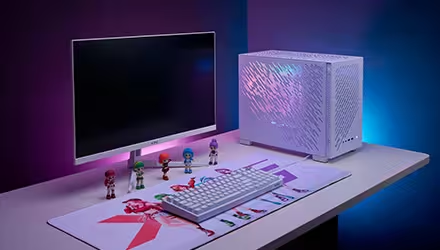
شرح أجهزة الكمبيوتر صغيرة الحجم
اعتادت أجهزة الكمبيوتر صغيرة الحجم أن تكون خيارًا متخصصًا، لكن تلك الأيام ولت منذ زمن. اليوم، يمكن لأجهزة الكمبيوتر صغيرة الحجم جيدة البناء أن تنافس أداء أجهزة سطح المكتب كاملة الحجم. إليك سبب انتشارها بهذه الشعبية.
ما هي أجهزة الكمبيوتر صغيرة الحجم؟ كل ما تحتاج معرفته
أجهزة الكمبيوتر صغيرة الحجم هي في الأساس أجهزة كمبيوتر مكتبية عادية، ولكن بحجم أصغر. عادةً ما تستخدم لوحات رئيسية من فئة Mini-ITX أو Micro-ATX.
ازدادت شعبية أجهزة الكمبيوتر صغيرة الحجم بشكل مطرد خلال السنوات القليلة الماضية، ويرجع ذلك بشكل كبير إلى تعدد استخداماتها. فهي تشغل مساحة أقل بكثير مع تقديم أداء قوي في نفس الوقت.
أعطت NVIDIA دفعة كبيرة لأجهزة الكمبيوتر صغيرة الحجم من خلال برنامجها "SFF-Ready Enthusiast Program" الذي وحّد أبعاد كروت الشاشة لتناسب العلبات الصغيرة. يضمن هذا البرنامج توفّر كروت شاشة متوافقة مع أجهزة الكمبيوتر صغيرة الحجم بسهولة، بدءًا من الخيارات متوسطة المدى وصولاً إلى الكروت الرائدة.

ما هي أفضل استخدامات لأجهزة الكمبيوتر صغيرة الحجم؟
سواء كنت من الهواة المتحمسين أو مستخدمًا عاديًا، يمكن بناء جهاز كمبيوتر صغير الحجم ليناسب احتياجاتك.
"تُستخدم هذه الأجهزة لمجموعة واسعة من الأغراض، بدءًا من الألعاب العادية والتنافسية، وتجمعات وبطولات الشبكات المحلية (LAN)، وصولاً إلى المكاتب المنزلية، وأجهزة المسرح المنزلي (HTPC)، وإنشاء المحتوى، وحتى كبديل متكامل لأجهزة الألعاب المنزلية."
فوائد أجهزة الكمبيوتر صغيرة الحجم
الحجم
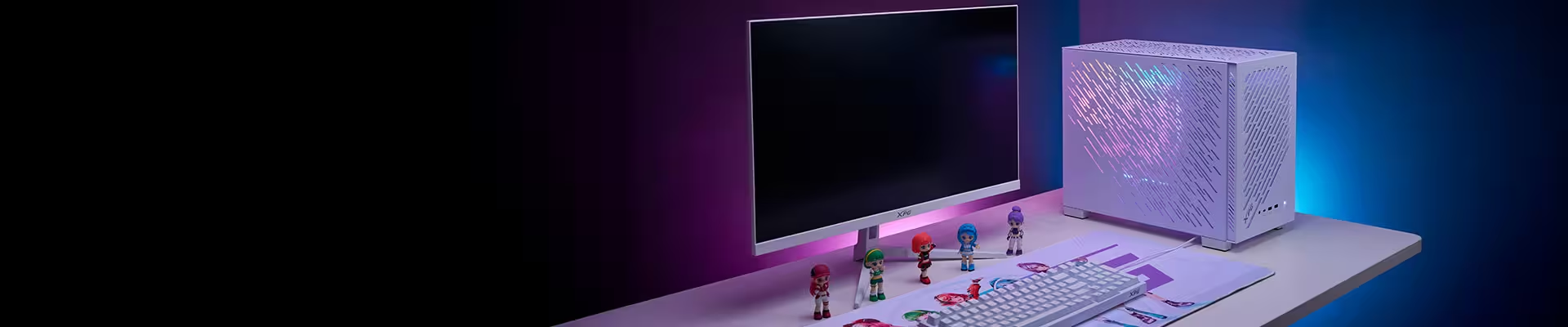
تشغل أجهزة الكمبيوتر صغيرة الحجم مساحة أقل بكثير على المكتب أو تحته، مما يجعلها مثالية للإعدادات المدمجة. وهي تحظى بشعبية خاصةً لدى المستخدمين ذوي الشاشات المتعددة، حيث يسهل وضع برج مدمج بجانب شاشات العرض كبيرة الحجم.
هيكل مدمج، مثل هيكل VALOR MESH NANO المتوافق مع لوحات m-ATX، يمكن وضعه في أي مكان تقريبًا، ومع ذلك فهو قادر على استيعاب نظام قوي. مع دعم كروت الشاشة عالية الأداء حتى طول 370 مم، بما في ذلك NVIDIA RTX 5090، فإنه يقدم بديلاً عمليًا وعالي الأداء للأبراج كاملة الحجم.
سهولة النقل
المساحة الأصغر تعني نقلاً أسهل. من الأسهل بكثير تجهيز كمبيوتر صغير الحجم لتجمع LAN أو حدث عمل مقارنةً بحمل جهاز مكتبي كامل الحجم.
الشكل الجمالي
أجهزة الكمبيوتر صغيرة الحجم تهيئ بطبيعتها لإعدادات أكثر نظافة وبساطة. الهياكل المدمجة مثل VALOR AIR NANO تميل إلى الاندماج في الغرفة بدلاً من السيطرة عليها، مما يجعلها مناسبة تمامًا للمساحات المشتركة.
تعدد الاستخدامات
لا تحتاج أجهزة الكمبيوتر صغيرة الحجم حقًا إلى "التقاعد" أبدًا. يمكنك بناء واحد ليعمل كجهاز ألعاب قوي لسنوات، وعندما تقوم بالترقية في النهاية، يمكن إعادة توظيفه ليكون مركزًا ترفيهيًا منزليًا لعائلتك.
|
العامل المأخوذ في الاعتبار |
كمبيوتر صغير الحجم |
كمبيوتر بالحجم العادي |
|
الحجم والمساحة |
صغير جدًا؛ يناسب المكاتب المزدحمة |
عادةً ما يكون كبيرًا وثقيلاً |
|
سهولة النقل |
سهل النقل والتعبئة والترحيل |
أجهزة سطح المكتب الكبيرة تبقى ثابتة عادةً |
|
المساحة الداخلية |
مساحة محدودة للمكونات والكابلات |
مساحة واسعة للقطع |
|
تدفق الهواء والحرارة |
يتطلب بعض التخطيط، لكن يمكن أن يكون ممتازًا في هيكل جيد |
تحقيق تدفق هواء جيد أسهل، لكنه لا يزال بحاجة لتخطيط |
كيفية اختيار جهاز الكمبيوتر صغير الحجم
ابدأ بتخطيط حالة الاستخدام الخاصة بك. هل تقوم ببناء جهاز ألعاب عالي الأداء، أم محطة عمل محمولة، أم جهاز مسرح منزلي (HTPC)؟ هدفك هو الذي سيوجه اختياراتك للمكونات التي تحتاجها.
معظم من يبنون أجهزة الكمبيوتر صغيرة الحجم يبدأون باختيار كارت الشاشة (GPU)، لأن حجمه هو الذي يحدد عادة أي الهياكل ستكون مناسبة. بعد ذلك، اختر هيكلاً يناسب كارت الشاشة الذي تريده. هيكل مثل VALOR AIR NANO هو خيار متعدد الاستخدامات ويعمل بشكل جيد على حد سواء للأنظمة عالية الأداء والأنظمة العادية.
في كل خطوة، تحقق جيدًا من مواصفات الخلوص، بما في ذلك: طول وعرض وسُمك كارت الشاشة (GPU)، والحدود القصوى لمبرد المعالج، ووحدة التغذية (PSU).
للأنظمة المتحمسة، انتبه جيدًا لتدفق الهواء. ابحث عن هياكل تحتوي على: ألواح شبكية وحاملات مراوح متعددة يمكنها استيعاب خيارات التبريد الهوائي أو السائل مثل MAESTRO PLUS 62DA أو LEVANTE II 240، وخيارات لتنظيم الكابلات تسمح لمكوناتك بالبقاء باردة. استخدام وحدة تغذية معيارية، مثل PYMCORE SFX، يساعد في تقليل فوضى الكابلات ويحافظ على تنظيم الجزء الداخلي.