


MARS 970 PLUS PCIe Gen5 x4 M.2 2280 Solid State Drive
MARS 970 PLUS PCIe Gen5 x4 M.2 2280 Solid State Drive
Retailers


Distributors

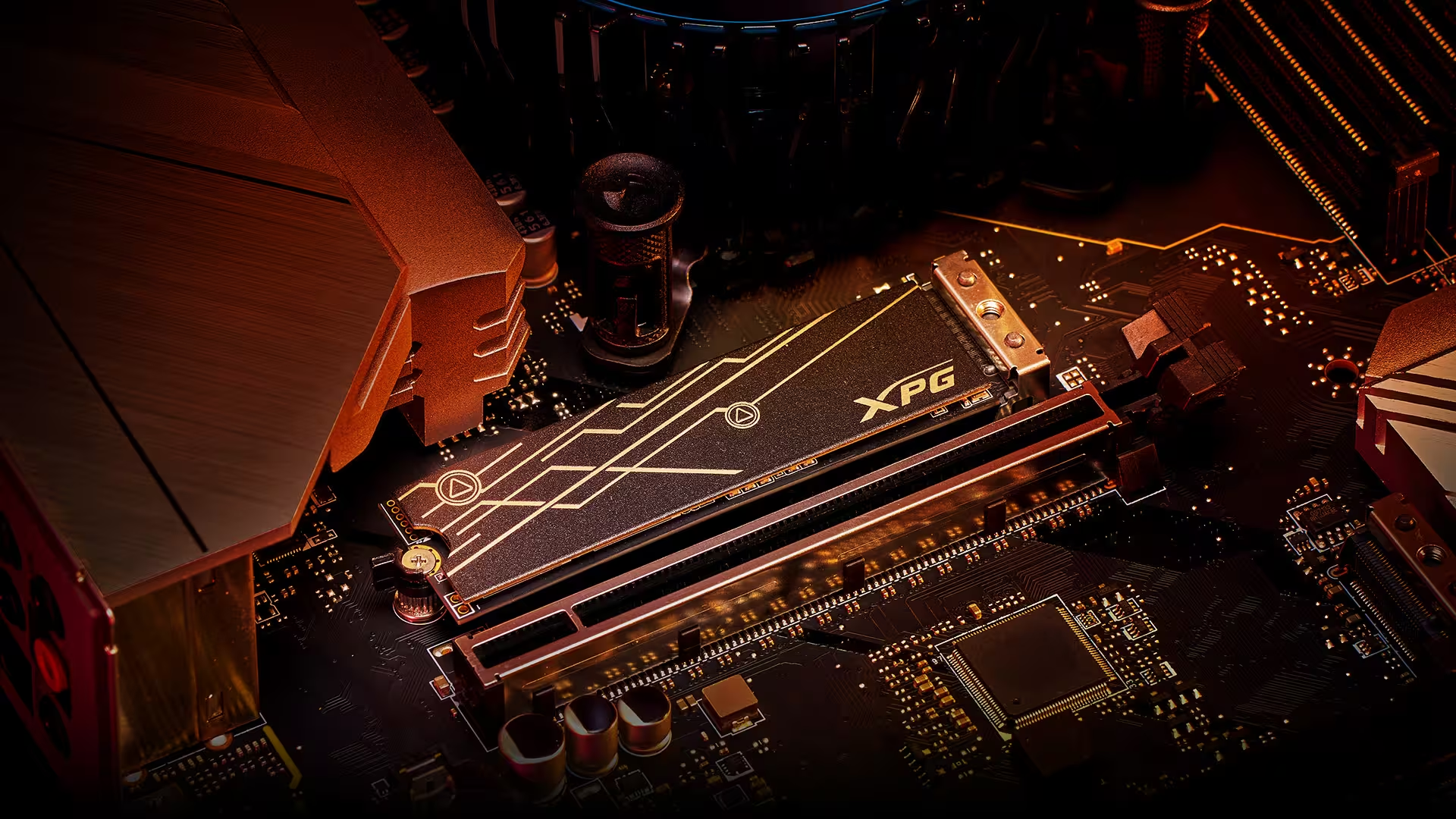
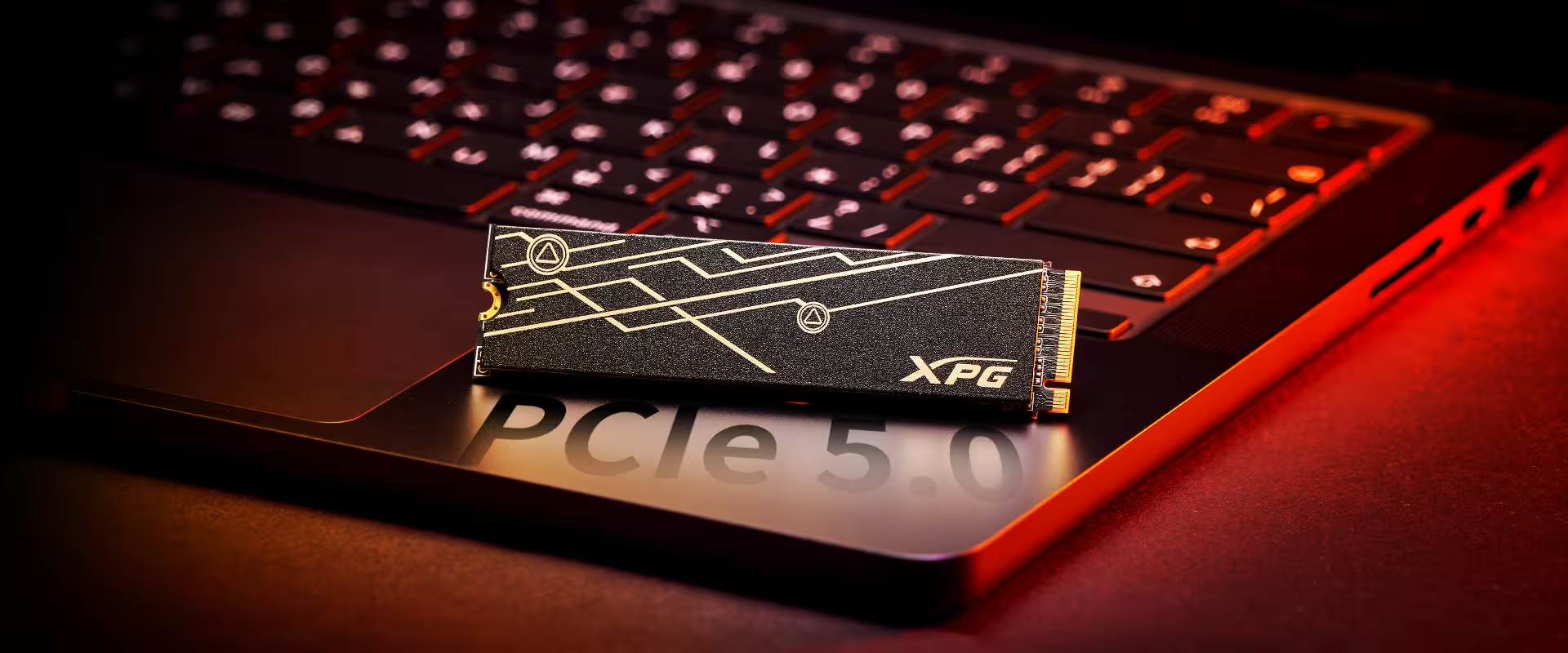
It’s finally here! The MARS 970 PLUS features the next-gen PCIe Gen5 x4 interface with NVMe 2.0 support. Its single-sided design makes installation easy in tight laptop or SFF (Small Form Factor) PC spaces while maintaining rock-solid performance for gaming and AI workloads. Fully compatible with the latest Intel and AMD platforms, it delivers beyond-ordinary power—no matter where you install it.
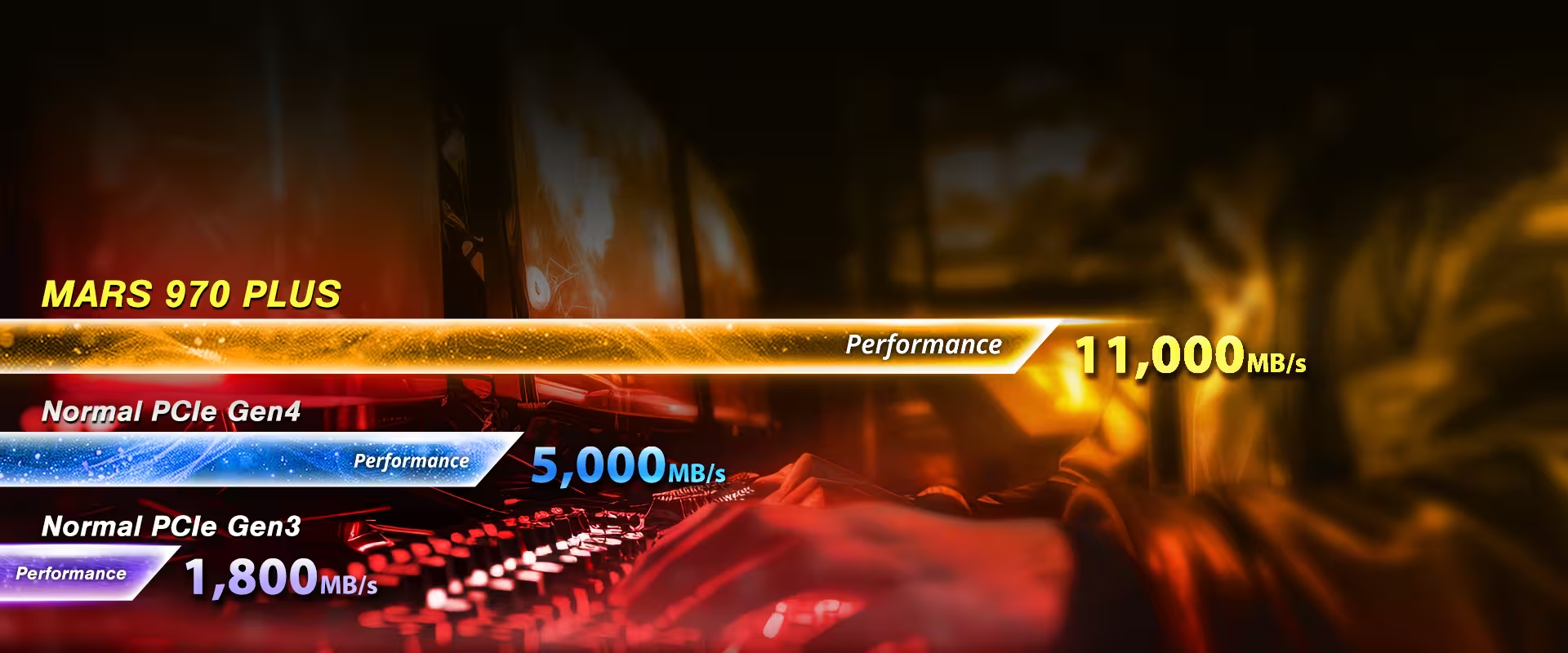
The MARS 970 PLUS features a sequential read/write speed of 11,000/10,000MB per second, which is double the performance of PCIe Gen4 SSDs and 3x faster than standard Gen3 SSDs. It is fully backward compatible with PCIe 4.0 and 3.0 platforms. Complete every challenge in mere seconds!
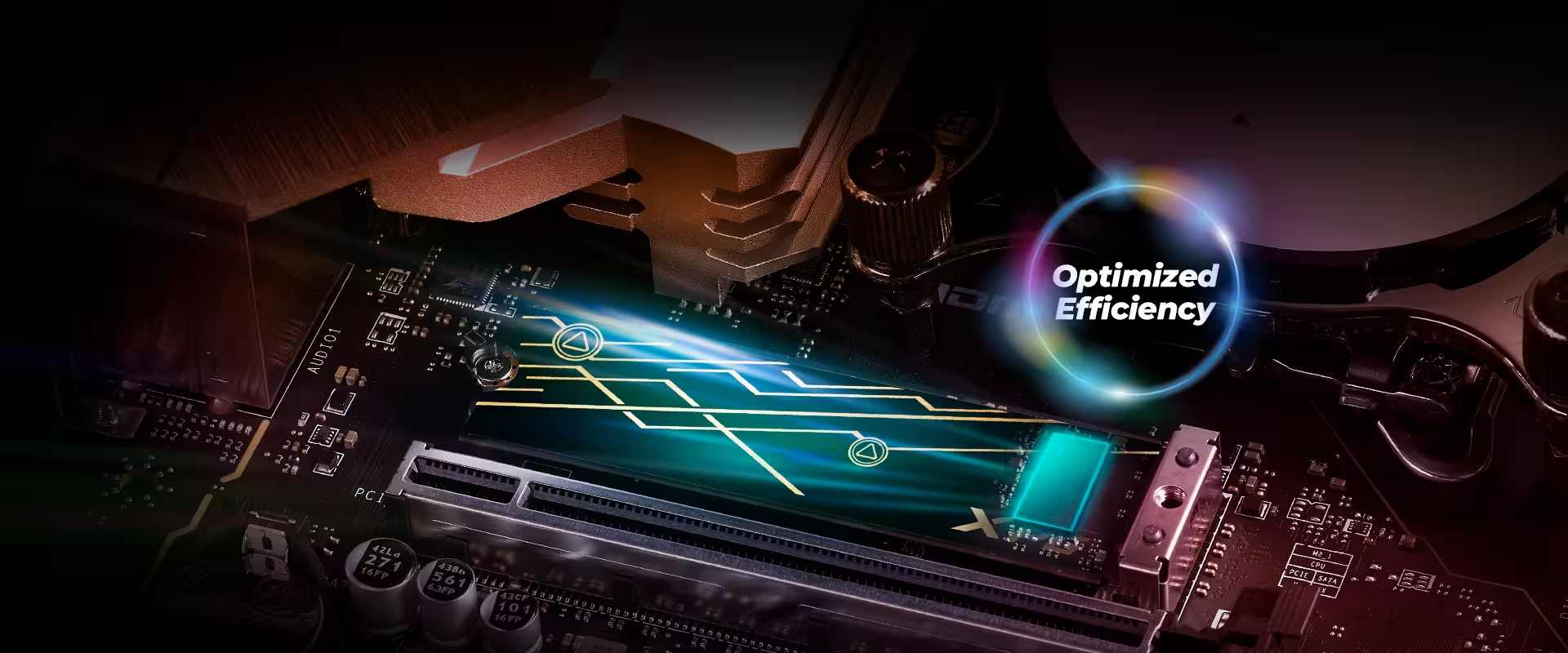
The MARS 970 PLUS delivers superior performance-to-power efficiency, reducing heat generation in PCIe 5.0 SSDs and eliminating the need for bulky heatsinks or active cooling—making it ideal for laptops and compact systems.
MARS 970 PLUS built for both gaming and creation—delivering fast, seamless performance whether you're playing intensely or generating deeply. Its high-performance, low-power design, bringing creativity and entertainment anywhere, while perfectly supporting your favorite creation tools and heavy workloads.
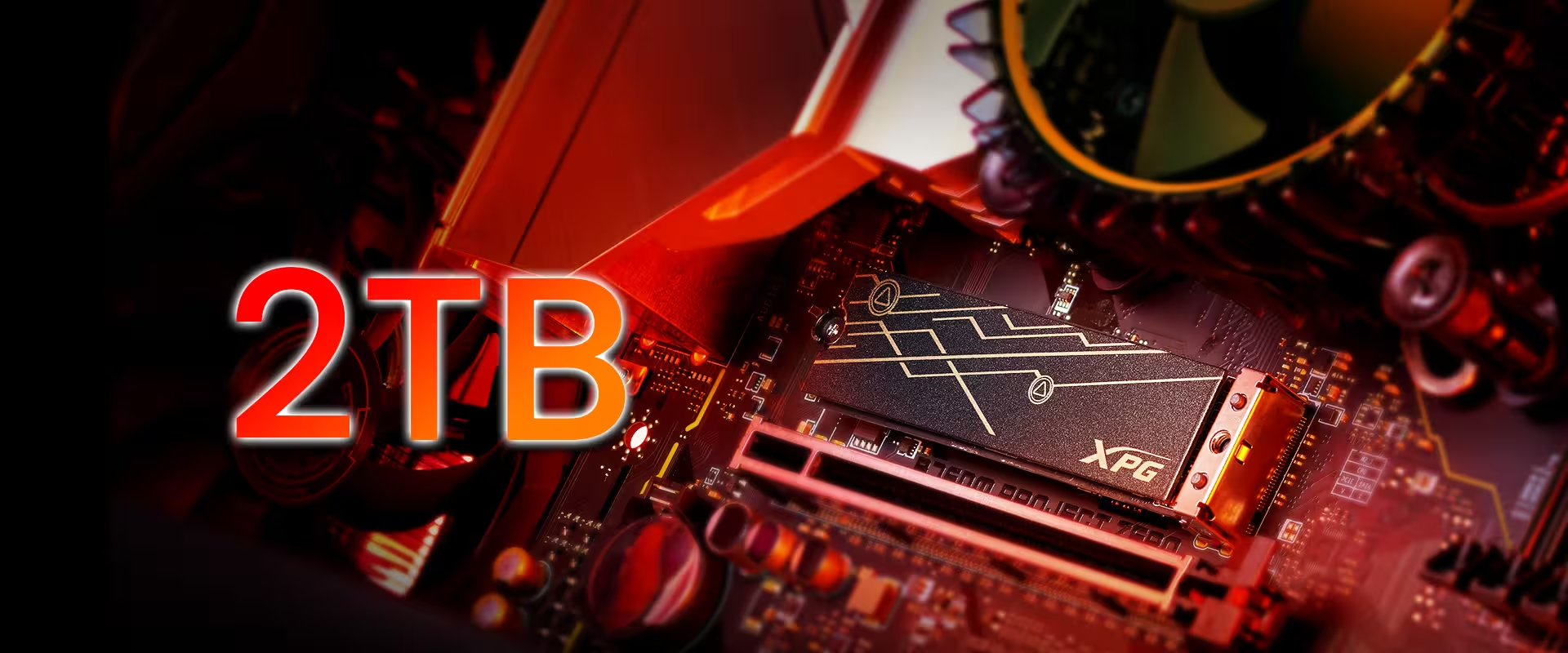
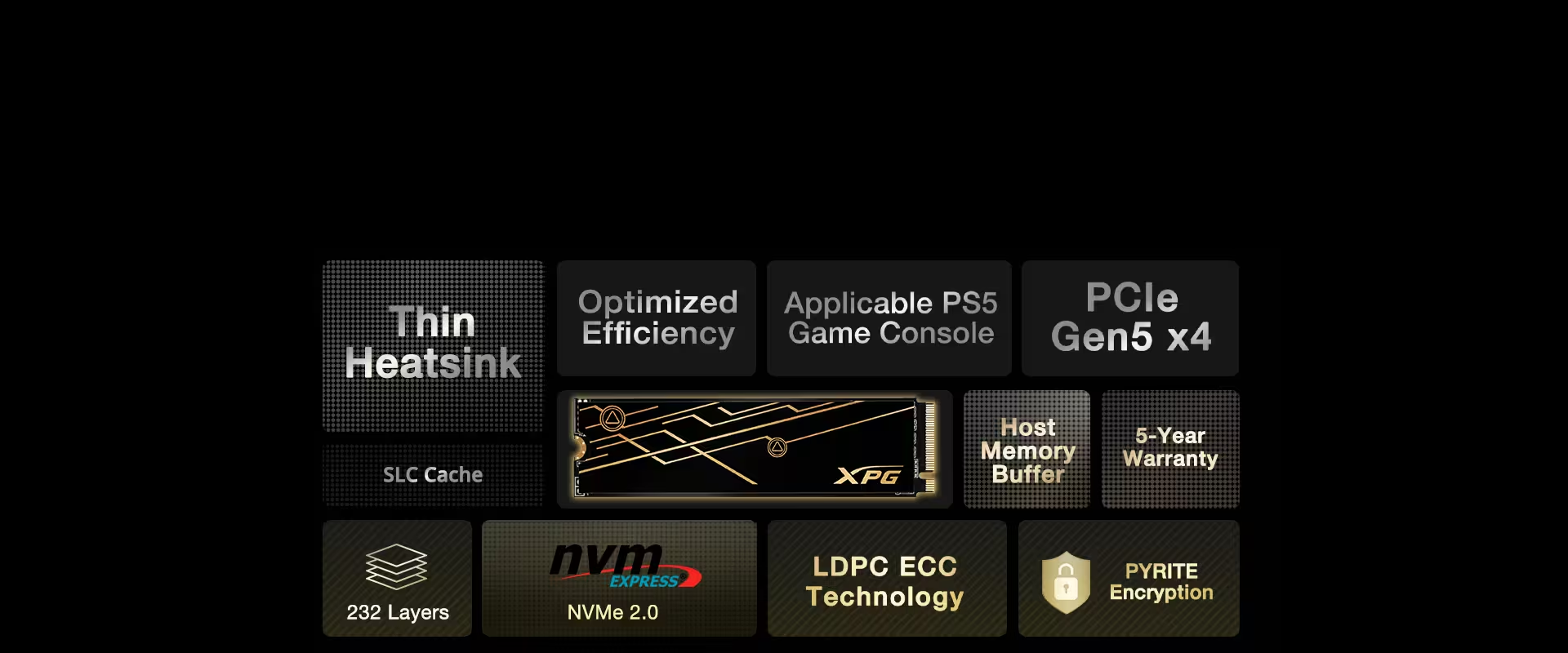
Carefully selected 232-layer 3D NAND flash memory allows the MARS 970 PLUS to feature an ultra-large capacity of up to 2TB, and the SSD uses a variety of data protection and error correction technologies to greatly improve TBW (Total Bytes Written) and durability to meet high load requirements.
MARS 970 PLUS utilizes a SLC cache algorithm and HMB (Host Memory Buffer) technology to take advantage of caching and adopts LDPC (Low Density Parity Check Code) error correction mechanism to ensure the accuracy of data transmission and file security.